

How to Set Successful Financial Goals for Sustainable Growth in 2026
The beginning of a new year represents an ideal opportunity to reflect on your financial situation, reassess priorities, and make decisions that strengthen long-term financial stability. January is more than just a date on the calendar — it is a strategic checkpoint to evaluate what worked, what needs improvement, and how to establish realistic, measurable, and sustainable financial resolutions for 2026. For many individuals, structured planning is the difference between forgotten intentions and tangible results.
Reflecting on the Previous Year: The Foundation of Success
Before defining new resolutions, it is essential to conduct an honest financial review of the past year. Evaluating income, expenses, savings, and investments provides a clear and objective starting point. Assessing whether financial goals were achieved, budgets respected, or unexpected costs emerged helps identify patterns and enables better-informed decisions for the year ahead.
A comprehensive financial review should include:
• Comparing actual income and expenses against projections.
• Assessing progress in savings and emergency fund accumulation.
• Reviewing investment performance, if applicable.
• Identifying unnecessary or impulsive spending that could be optimized.
This process not only creates clarity but also positions you to set goals aligned with your true financial capacity.

Setting Clear and Realistic Goals
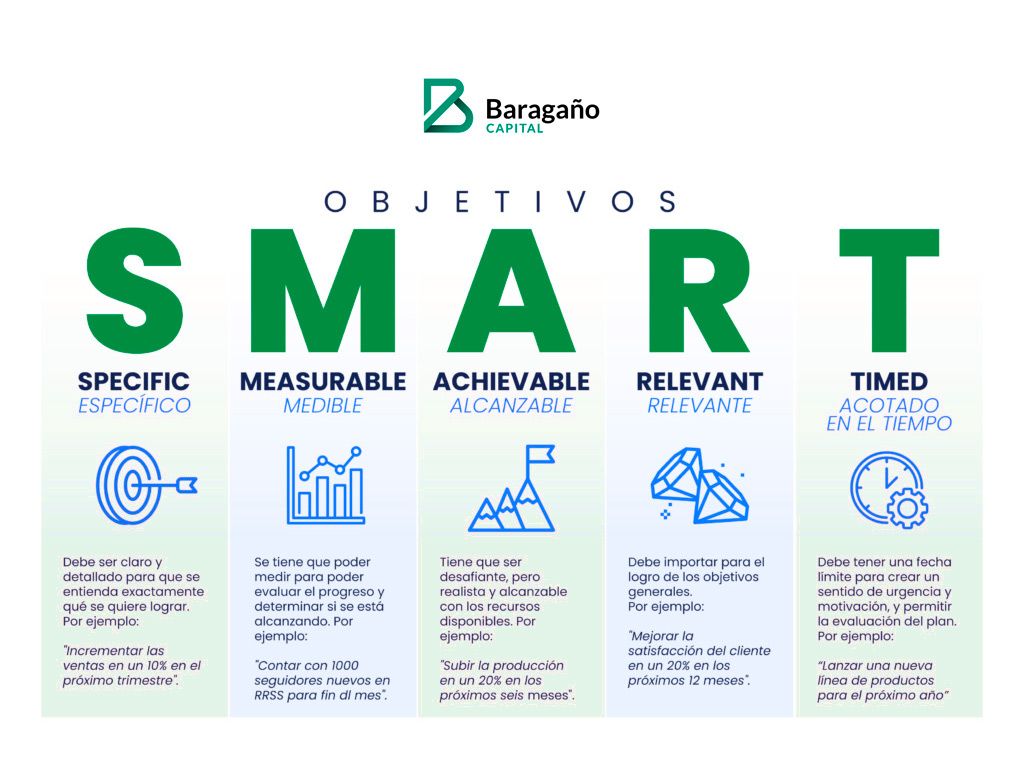
One of the most common mistakes when defining financial resolutions is making them overly broad. Statements such as “save more” or “invest better” may sound positive, but without structure, they rarely translate into consistent action. Financial experts recommend using the SMART framework when setting goals:
• Specific — Clearly defined and unambiguous.
• Measurable — Quantifiable and trackable.
• Achievable — Realistic given available resources.
• Relevant — Aligned with personal priorities.
• Time-bound — Defined within a specific timeframe.
For example, instead of “save more,” a structured goal would be:
“Save €6,000 by the end of 2026 by allocating €500 per month to my emergency fund.”
This transforms intention into a measurable financial strategy, improving discipline and accountability.

Prioritizing Objectives According to Your Situation
Financial goals vary depending on life stage, income level, and personal priorities. However, several key areas generally provide strong foundational value:
Build or Strengthen an Emergency Fund
Before taking new financial risks, ensuring a safety cushion equivalent to 3–6 months of expenses reduces exposure to unexpected shocks and prevents reliance on costly debt.
Review and Optimize Your Monthly Budget
A well-structured budget acts as a financial roadmap, clarifying spending capacity, savings allocation, and investment potential.
Reduce High-Interest Debt
Paying down expensive liabilities — such as credit card balances — improves cash flow and lowers financial pressure.
Review and Rebalance Investments
The start of the year is an ideal moment to assess whether your portfolio remains aligned with your risk tolerance and long-term objectives.
Plan for Long-Term Milestones
Retirement planning, property acquisition, or funding children’s education require strategic foresight and disciplined execution.
Creating a Practical Action Plan
Clear goals must be supported by structured implementation. Once defined, translate your objectives into actionable steps throughout the year:
Step 1: Financial Audit (January – February)
Conduct a complete financial inventory, including accounts, debts, assets, liabilities, and investments.
Step 2: Budget Alignment (February – March)
Determine how much can realistically be allocated to savings, investments, and discretionary spending without compromising monthly stability.
Step 3: Automation
Set up automatic transfers to savings or investment accounts to eliminate behavioral friction.
Step 4: Quarterly Reviews
Evaluate progress every quarter, make adjustments when necessary, and identify potential risks or opportunities.
Maintaining Motivation and Discipline
Consistency is critical to achieving financial resolutions. To maintain momentum throughout the year:
• Write down your goals and keep them visible.
• Celebrate incremental milestones.
• Seek professional guidance when appropriate. A financial advisor can provide objective analysis and strategic adjustments aligned with your long-term vision.
Conclusion: 2026 as a Year of Results
Starting the year with financial resolutions is a strategic decision that can significantly impact your economic well-being. Setting clear goals, building an action plan, and maintaining discipline through periodic reviews allow you to turn good intentions into real results.
At Baragaño Capital, we believe that financial planning is a continuous process. It is not just about isolated decisions, but about building a roadmap that accompanies you at every stage. By setting solid objectives for 2026, you are taking a decisive step toward greater stability, control, and wealth growth.
Shall we schedule a meeting?
We offer an initial 45-minute session where we listen to your situation, and subsequently, in a second session, we will present you with an action plan.